
Kickstarter
Two dormant decades, one crowdfunded resurrection, and a wasteland reborn.

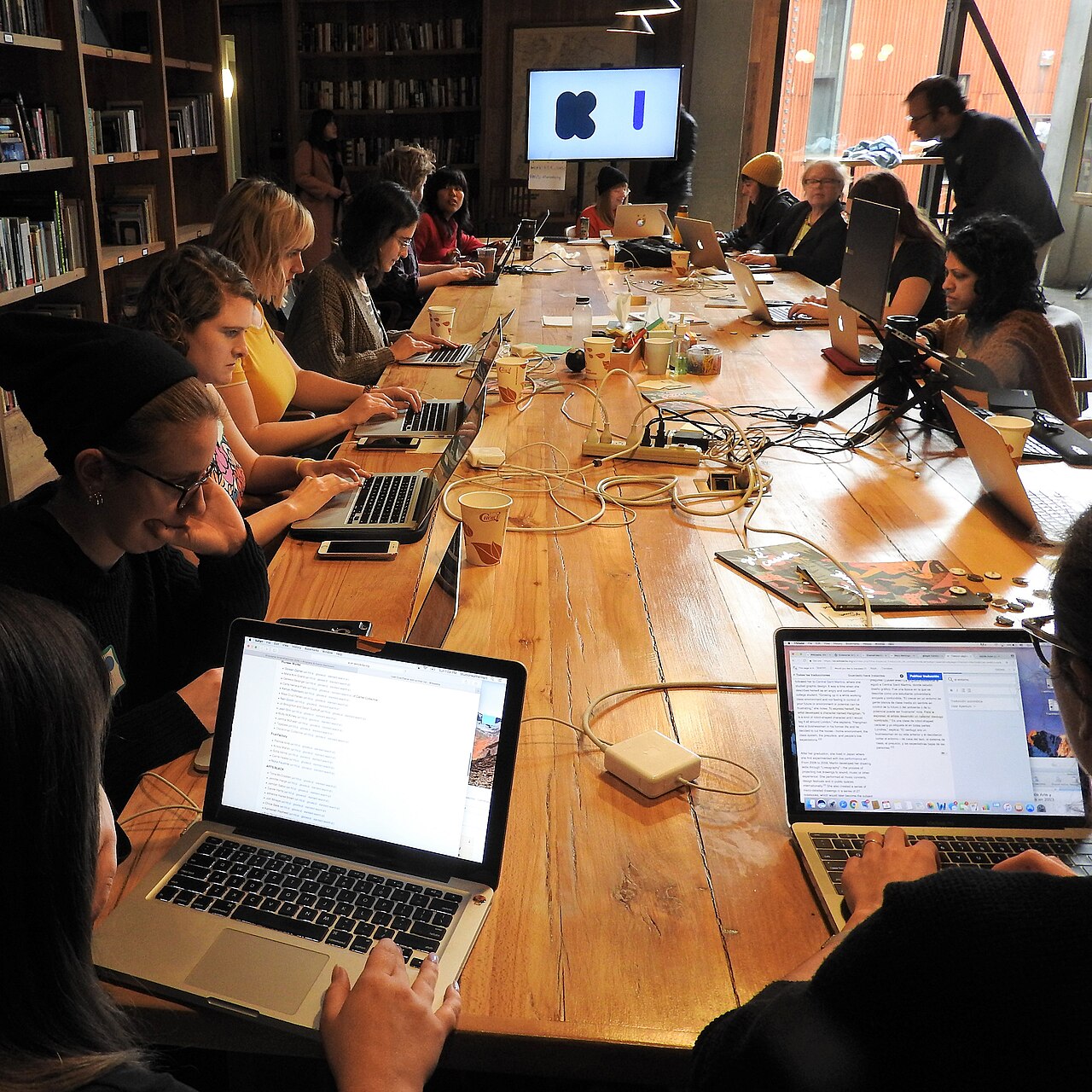
Jim.henderson · CC BY-SA 4.0
Kickstarter served as the financial lifeline that resurrected the Wasteland franchise after more than two decades of dormancy. When inXile Entertainment—founded by original Wasteland designer Brian Fargo—launched a crowdfunding campaign for a sequel to the 1988 Interplay classic, the platform became the sole viable path to production. The resulting Wasteland 2 (2014) and its sequel Wasteland 3 (2020) were both brought to life through Kickstarter, establishing the franchise as one of the most prominent examples of a legacy IP revived through community funding.
- Original franchise debut
- 1988 (Electronic Arts)
Lore & Background
By the early 2010s, the Wasteland name had become a footnote in post-apocalyptic gaming history. The 1988 original had faded from public memory, overshadowed by the Fallout series that grew from the same Interplay soil. Brian Fargo, who had co-designed the first game alongside Alan Pavlish, had spent years at inXile Entertainment building smaller titles and proving his design philosophy. Neither the studio had the budget nor publisher interest to tackle a full Wasteland sequel. Kickstarter, then still young as a platform, offered a direct line to the small but passionate community that remembered the franchise's hand-drawn maps, moral ambiguity, and brutal survival mechanics. The 2012 campaign for Wasteland 2 was met with immediate enthusiasm from veterans of the original. Backers saw in the pitch a return to the systems they loved: turn-based tactical combat, a party of rangers navigating a shattered America, and a narrative unafraid of moral compromise. The campaign's success validated the project and gave inXile the runway to build a modern engine, recruit a full team, and deliver a game that honored the original's tone while embracing contemporary scope. When Wasteland 2 shipped in 2014, it carried the weight of a community investment that no traditional publisher advance could have replicated. The 2016 Kickstarter campaign for Wasteland 3—the sequel to Wasteland 2—followed a similar arc, with backers expecting deeper systems and a more expansive world. The campaign's success reinforced a broader industry signal: audiences would fund passion projects from the creators who made the originals, bypassing the gatekeepers who had let the franchise sit idle for twenty years.
In Their Own Story
The server room hummed at 2 a.m. Tim stared at the progress bar on the campaign page, the percentage climbing in slow, green increments. Leonard leaned over his shoulder, coffee cold in his hand. They had spent three weeks writing the pitch, arguing over whether to show the rangers in full color or keep the muted palette of the 1988 manual. The numbers ticked past the stretch-goal threshold. Tim exhaled. Outside the inXile office window, the parking lot was empty, the desert beyond it flat and indifferent. That was always enough.
Reader's Guide
2012 – inXile Entertainment launches the Wasteland Kickstarter campaign. Tim Cain and Leonard Boyarsky pitch a modern reboot of the 1988 Interplay title, emphasizing turn-based combat, a four-ranger party, and a morally grey post-apocalyptic America. The campaign raises over $2 million, one of the top-funded game projects on the platform at the time. 2014 – Wasteland ships on PC. The team, still small, builds a custom engine and hand-tunes every encounter. The creative challenge is balancing the original's systems—ammo scarcity, moral choice, tactical positioning—with modern production values. The result is a game that feels like a direct continuation of the 1988 manual's world. 2015 – Wasteland 2 launches its own Kickstarter, raising over $3 million. The expanded scope demands a larger team and a more complex narrative structure. The decision to deepen the combat system and add a more sprawling map is a direct response to community feedback from the first campaign's stretch goals. The ripple effect extends beyond the franchise itself. The success of both campaigns demonstrated to the broader industry that a niche, legacy IP could sustain a full production cycle through community funding alone, bypassing traditional publisher risk-aversion. This model influenced how other small studios approached revival projects in the mid-2010s. For Wasteland specifically, the Kickstarter relationship created a direct feedback loop: backers shaped stretch goals, which shaped design decisions, which shaped the final product. The franchise's identity as a community-owned property, rather than a corporate asset, became a defining part of its legacy.
Did You Know?
- Brian Fargo, who co-designed the original 1988 Wasteland alongside Alan Pavlish, founded inXile Entertainment specifically to build modern RPGs, and the Kickstarter campaign was the first project that gave the studio the
- The Wasteland 2 Kickstarter was among the most successfully funded video game campaigns on the platform at the time of its launch, signaling a shift in how audiences engaged with legacy IP.
- Wasteland 3's campaign built directly on the first game's stretch-goal system, with backers voting on which features to unlock—making the sequel's design a literal community collaboration.
- The original Wasteland (1988) was developed by Interplay and published by Electronic Arts; the 2014 sequel returned the franchise to prominence after more than two decades without a new entry.
Gallery

Frequently Asked Questions
What role did Kickstarter play in the Wasteland franchise?
After more than twenty years without a new entry, the crowdfunding platform became the only realistic path for inXile Entertainment to finance a new Wasteland game. The successful campaign directly enabled the 2014 reboot and set the stage for the sequel that followed the next year.
How much did the Wasteland (2014) Kickstarter raise?
The campaign for the 2014 reboot collected over two million dollars from backers. That funding was the financial backbone that allowed inXile to move the project from concept to a shipped title.
Who were the key people behind the Kickstarter campaign?
Tim Cain, the original designer of the 1988 Wasteland, and Leonard Boyarsky co-founded inXile Entertainment and spearheaded the crowdfunding effort. Their vision for a spiritual successor to the Interplay classic is what drew the community to pledge.
Did Kickstarter fund Wasteland 2 as well?
Yes, the sequel also relied on a crowdfunding campaign that surpassed three million dollars. This made the franchise one of the clearest examples of a legacy IP being revived and sustained through community funding.
Why do fans consider the Kickstarter campaigns a turning point for Wasteland?
Before those campaigns, the series had been dormant for over two decades with no publisher willing to take a risk on it. The community's financial commitment proved there was still a dedicated audience, turning a forgotten IP back into an active franchise.
More in Development & Legacy
Elsewhere in the Wasteland universe
Spotted an error? Know more?
This is a living reference — every entry is fact-audited, and reader corrections feed straight into our audit queue. Suggest an edit · See this site's audit record